
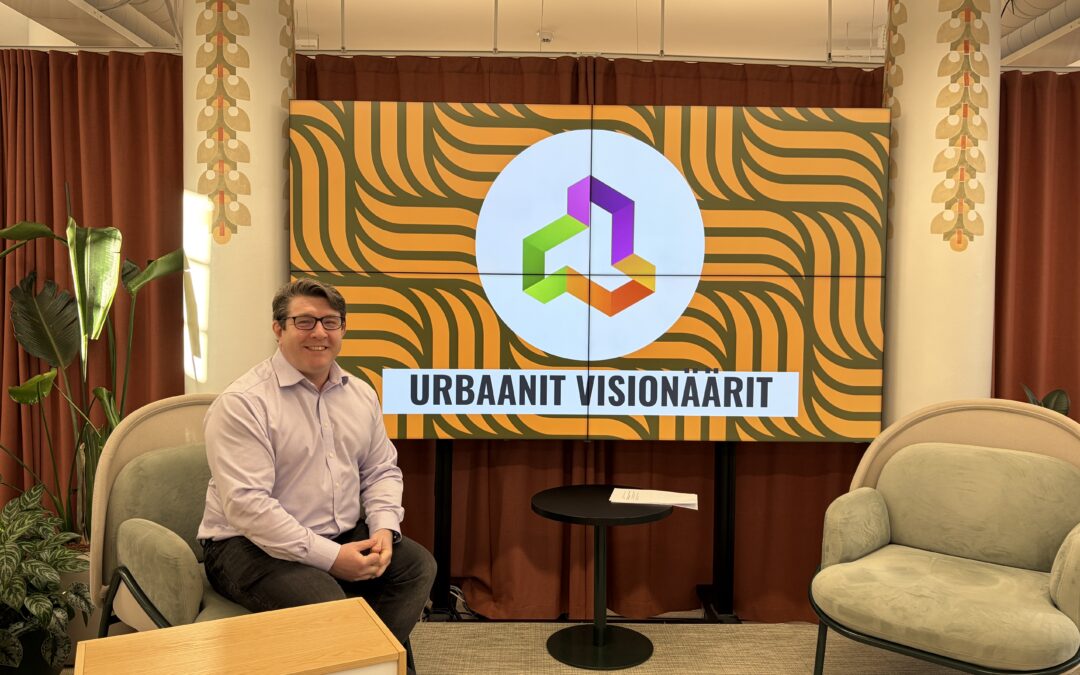
Real estate has no shortage of data. The real challenge, says Mark Sorsa-Leslie of auttaa.ai, is turning that data into practical action. In an interview about the company’s newly launched platform, he described the sector’s biggest problem as an implementation gap: buildings generate huge amounts of information, but much of it remains siloed, underused and too costly to apply at scale.
auttaa.ai’s solution is what it calls an autonomous intelligence layer for buildings. Rather than forcing every building system into the same standard format, the platform takes in data as it is, interprets it with AI, and delivers standardized outputs for users. The aim is to provide faster insights without months of manual tagging or lengthy setup projects. According to Sorsa-Leslie, the system can connect to a new building, begin decoding incoming data, and surface its first findings within 48 hours.
The value becomes clear in detecting what traditional systems often overlook: unusual behavior, hidden energy waste, and early signs of faults. In one example, auttaa.ai identified fan coil units running even though no heating or cooling valves were open — a small anomaly that may not trigger a standard building management alarm, but still consumes unnecessary energy. The broader goal is to help teams move away from reactive firefighting and toward more proactive, strategic maintenance.
The company is initially focused on large facilities management consultancies, which oversee broad building portfolios but often operate with tight margins, labor-intensive processes, and limited in-house data expertise. By helping them scale intelligence services across multiple buildings without significantly increasing headcount, auttaa.ai believes it can improve both operational efficiency and profitability.
At the heart of Sorsa-Leslie’s argument is a simple point: the industry should stop trying to standardize every input. In a world where every building is different, the smarter approach, he argues, is to standardize the outputs — and let AI handle the complexity in between.